
How Heavy is the Bar on a Smith Machine?
The Truth About 0 Gravity vs. 25kg Bars
If you walk into any commercial gym on a Monday evening, you will likely see a familiar scene. People line up for the squat rack, while the Smith Machine sits empty. For many lifters, the Smith Machine is a versatile tool. It lets you squat and bench press with less risk of injury. Furthermore, it effectively isolates a specific muscle group when free weights feel too unstable.
However, one particular moment generates confusion for the majority of users: the unracking process. When you grasp the bar, the sensation often feels anomalous—either excessively light or unexpectedly heavy. This experience prompts the question that plagues gym-goers everywhere: How heavy is the bar on a Smith machine?
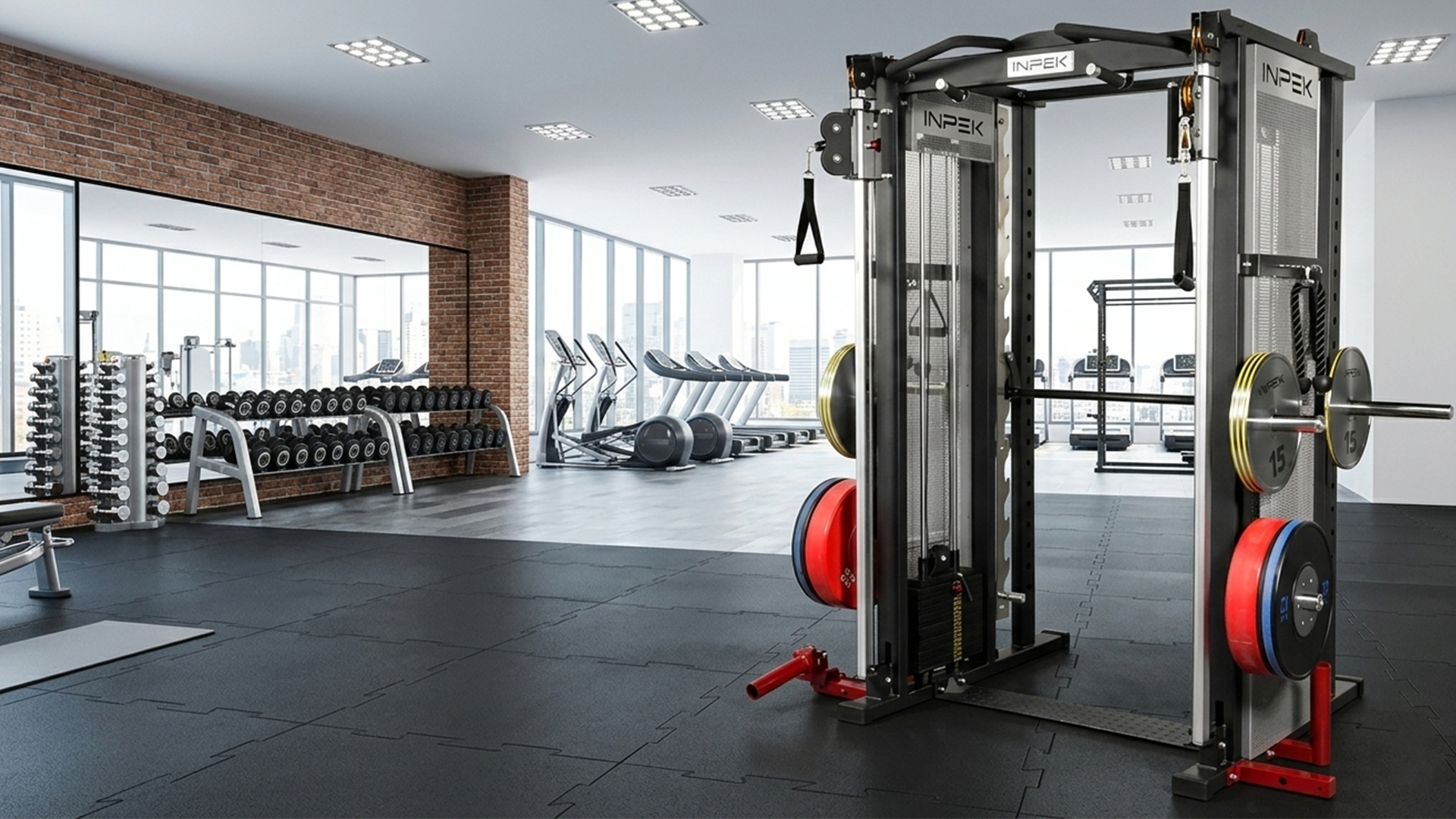
While the question seems simple, we should note that a standard Olympic barbell weighs 20 kg (45 lbs). However, the Smith Machine is not just a barbell on rails. It is a complex system with pulleys, angles, and counterweights. Assuming the bar always weighs 20kg is a basic mistake that can skew your training log and slow progress.
Let’s examine the two primary Smith Machine bar types. You will encounter either “floating” zero-gravity bars or heavier assemblies weighing between 20 and 25kg. Distinguishing between these mechanisms is essential if you aim to build strength and build muscle effectively.
The “Standard” Assumption: Why We Get It Wrong
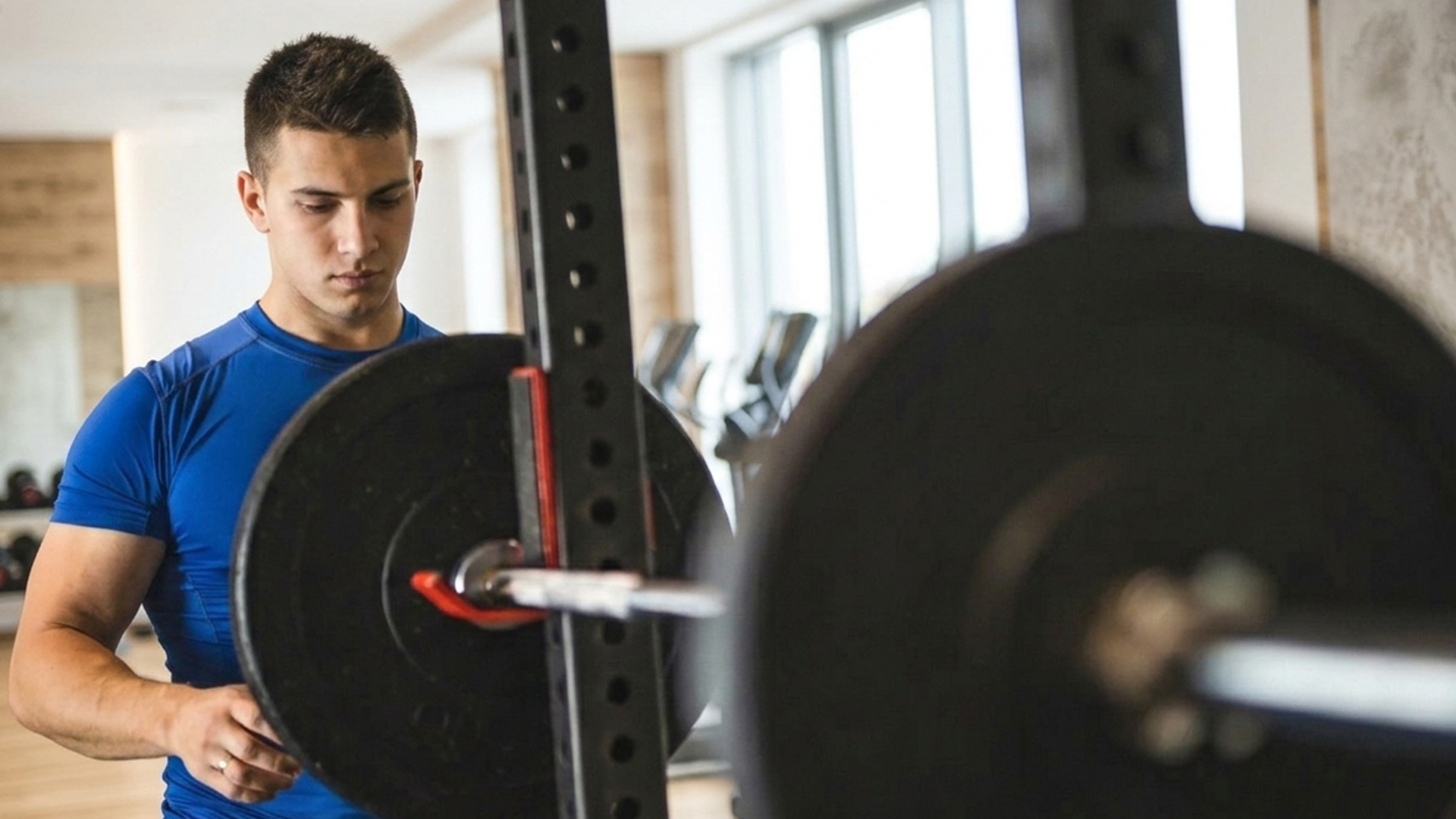
In the realm of weight training, consistency is paramount. A men’s Olympic barbell invariably adheres to the 20kg standard. Consequently, when we approach a Smith Machine, we see a bar and assume it is 20kg.
However, the Smith Machine bar functions differently. Bolted to a carriage system designed to traverse steel rails. You are not solely lifting a steel bar; you are elevating the bar, the rotating sleeves, the bearings, and the heavy hooks. If you load two 20kg plates and calculate the total as 60kg, your calculation may be inaccurate. Depending on the mechanism, you might be lifting 40kg, or conversely, pushing 65kg.
The Two Main Types: 0 Gravity vs. The Heavy Bar
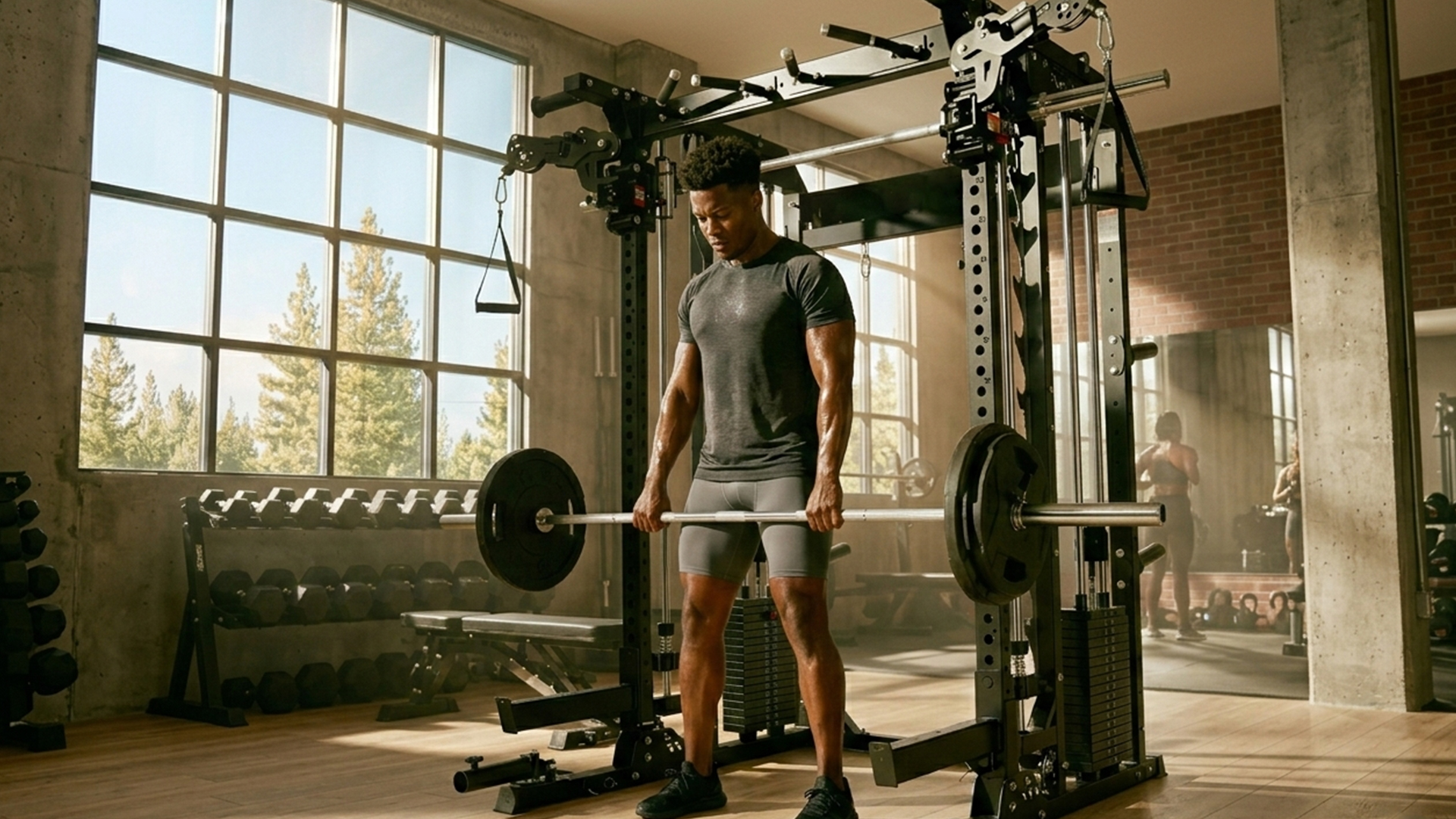
When individuals ask, how heavy is the bar on a Smith machine, they anticipate a single numerical answer. The reality, however, usually comes down to two scenarios: a bar that feels weightless, or one that feels heavier.
1. The “Zero Gravity” Counterbalanced Bar
This variation is frequently observed in commercial gyms and rehabilitation centers.
The Mechanism: These high quality machines utilize a pulley system connected to a weight stack. The internal weights counteract the weight of the bar.
The Feel: It effectively weighs zero. You can often push it upward with minimal force.
The Trap: If you load two 20kg plates onto this apparatus, you are only lifting the 40kg in plates. On a standard barbell, the total would be 60kg. If you transition to free weights subsequently, you will experience a sudden shock because of the missing “ghost weight.”

2. The Standard Heavy Bar (20kg – 25kg Range)
Conversely, one encounters raw, mechanical machines often found in powerlifting facilities.
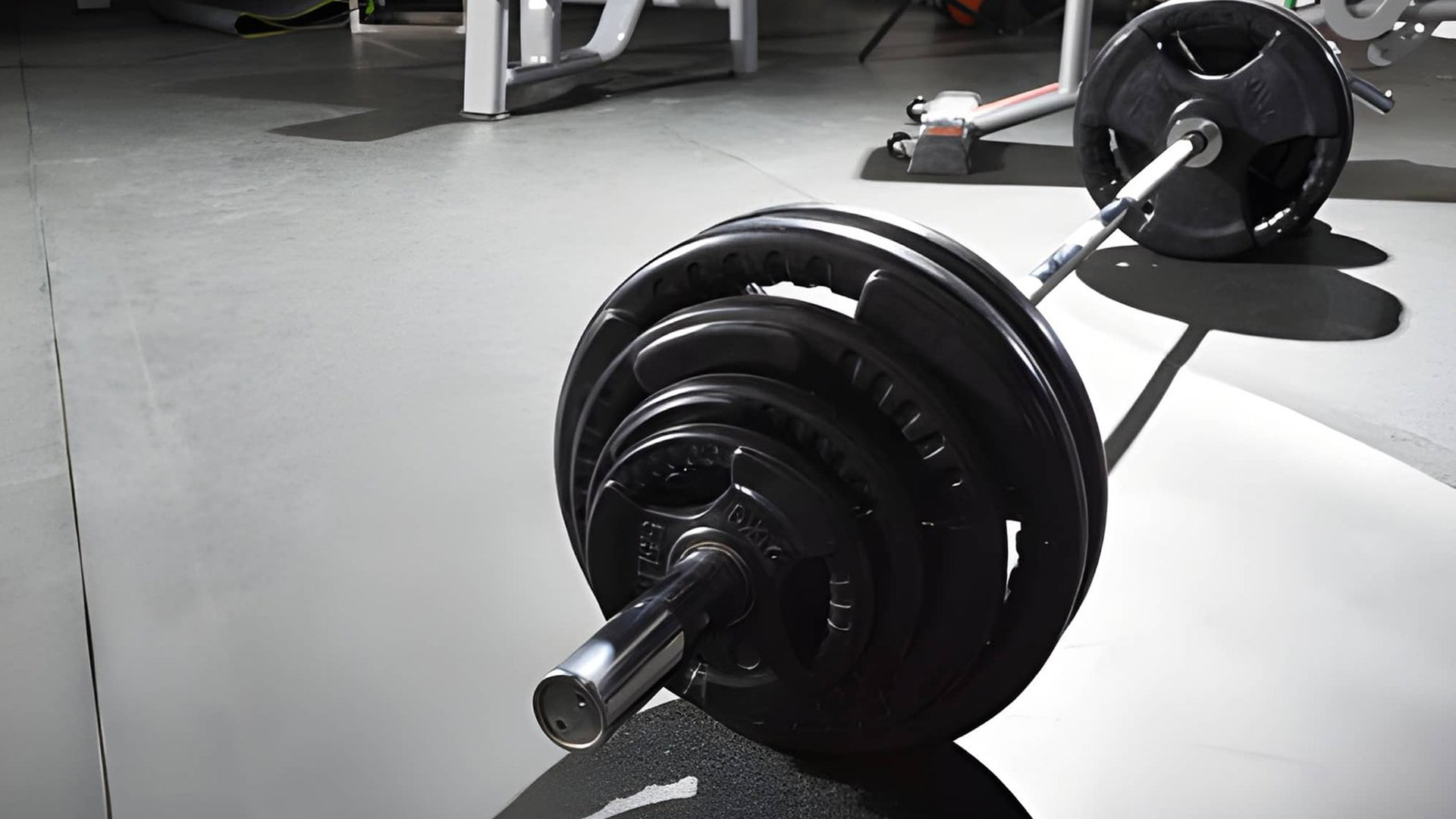
The Weight: Although the shaft is standard, the assembly includes the carriage and additional hardware. Typically, this increases the total weight. In most instances, you are looking at a bar that weighs between 20kg and 25kg.
Why the Weight Exceeds 20kg: The discrepancy is because of fixed accessories. The bar is welded to a heavy carriage block containing bearings. This supplementary steel adds mass.
The Feel: When you unrack this bar, it feels solid—occasionally even heavier than a free barbell. Gravity exerts force the moment you disengage the hooks.
Why This Actually Matters
You might question the importance of this detail. However, if you are serious about lifting weights, the weight on the bar is key for tracking progress.
The Progressive Overload Trap
Imagine you performed a bench press on a 0 Gravity machine during your previous training session. Today, you approach a machine with a 25kg heavy bar and load a heavier weight of 65kg to beat your record.
Consider the reality:
Machine A (Last Week): 0kg (bar) + 60kg (plates) = 60kg Total.
Machine B (Today): 25kg (bar) + 65kg (plates) = 90kg Total.
This represents an unplanned 30kg increase in a single week. That is not a gradual increase; it is an anomaly. Attempting to replicate this lift on a bench press could lead to injury.
Conversely, switching from a heavy bar to a 0 Gravity bar might make you feel weaker if you don’t adjust the plates. This creates a significant psychological discrepancy.
How to Figure Out Your Specific Machine
Given the absence of a universal standard, you must determine the answer for yourself. Here is how to determine how heavy the bar on a Smith machine is in your gym:
1. Hunt for the Placard
Most machines feature a small label, typically hidden near the weight stack.
Look for “Bar Weight” or “Assembly Weight.”
If it indicates “Counterbalanced” or “0 lbs,” you can identify it as the light version.
If it lists anything above 30 lbs, you are dealing with a heavy bar (likely 20kg-25kg).
2. The Finger Test
This represents the most efficient method. Approach the empty bar and release the safety hooks.
Does it ascend with minimal resistance? If so, it is Counterbalanced (0kg effective weight).
Does it require significant physical exertion to elevate? If it feels sluggish, it is a heavy bar (20–25 kg).
3. Ask the Staff
Avoid making assumptions. Trainers generally possess precise knowledge regarding which machines are “light” and which are “heavy.” Consulting them may prevent confusing workout logs.
The Bottom Line
Before commencing your next workout, take a moment to evaluate the apparatus. Avoid assuming the bar is 20kg.

You are likely confronting one of two realities:
A Counterbalanced System: The bar is feather-light (0 gravity). You are only lifting the plates.
A Standard Mechanism: The bar is heavy (20kg-25kg) because of the robust carriage.
Both are useful tools. The counterbalanced mechanism aids safety and form focus, while the heavy bar provides resistance closer to genuine iron. However, for the sake of your progress, please verify the weight. Understanding exactly what you are lifting is the distinction between merely “working out” and effectively building strength. Track your numbers, respect the iron, and continue growing.