
Isolation Training: The Unsung Hero of a Sculpted Physique
Every serious lifter eventually hits a frustrating wall. You watch the plates pile up on the bar.
Your squat numbers climb, and your bench press stays steady.
But your reflection in the glass does not change. You are undeniably building raw power, yet the aesthetic sharpness you crave is missing.
The chest looks flat, not full. The arms lack that defined “pop.” The calves seem to vanish when you stand up straight.
Conventional gym wisdom often dictates that “big lifts” are the sole path to growth. While compound moves build mass, they can be too broad for the fine detail needed to shape a physique.
This is where isolation training claims its territory. This isn’t about tearing down the foundation. It’s about careful masonry work to refine the structure after you build the house.
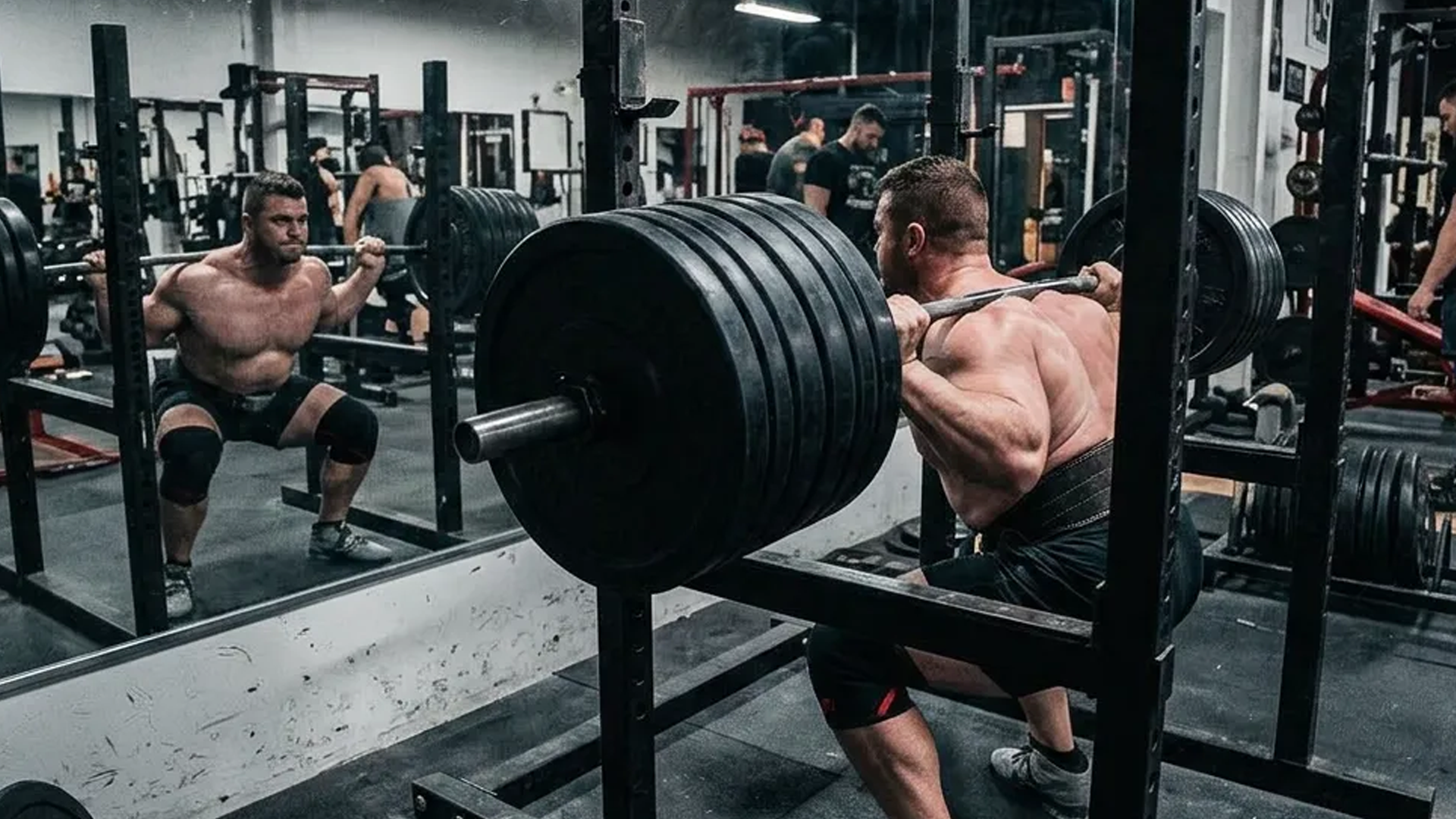
The Biomechanics of Single-Joint Focus
To truly leverage isolation work, we must move beyond basic definitions and look at the physics. Isolation training restricts movement to a single-joint articulation. This mechanical distinction is vital.
Compare this to compound movements like the deadlift. A deadlift is a symphony of joints—ankles, knees, hips, and shoulders—operating in unison. While this generates systemic strength, it inevitably invites “mechanical cheating.” As fatigue sets in, your lower back or biceps may intercept the load intended for your glutes.
Conversely, in an isolation movement like a leg extension, the setup forces the target muscle to take the load. Assistance is impossible. This creates a controlled environment where you can safely fatigue a specific muscle group. It does this without compressive stress on the spine or overworking the central nervous system.
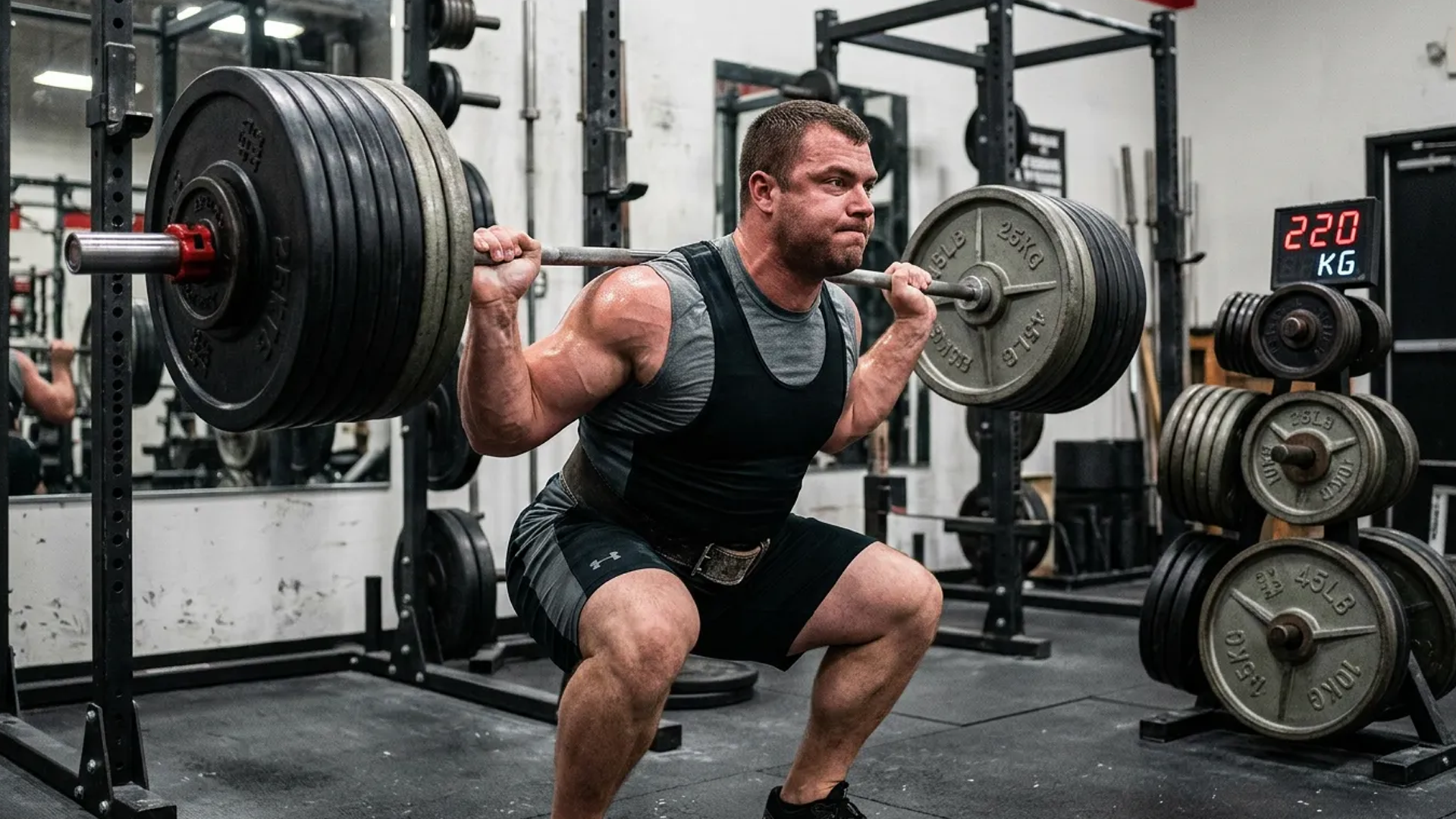
The Strategic Physiology
Why allocate precious training time to these smaller movements? The answer lies in three distinct physiological advantages that compounds cannot provide.
1. Rectifying Structural Asymmetries
The human body is inherently asymmetrical. We naturally favor one side, leading to strength discrepancies. During a barbell row, your dominant side pulls significantly harder than your weaker side.
Isolation movements allow you to neutralize this imbalance. By using unilateral machines or dumbbells, you make the weaker side match the stronger side. This helps build a more balanced body that resists injury.
2. Extending Training Longevity
Heavy axial loading—where weight compresses the spine—accumulates wear and tear. You cannot squat heavy three times a week without eventually incurring joint degradation or neural fatigue. Isolation movements are “skeleton-friendly.” They help you strongly stimulate muscle growth.
They also give your joints time to recover.And They give your central nervous system time to recover too.
3. Metabolic Stress vs. Mechanical Tension
Two primary mechanisms drive hypertrophy: mechanical tension (heavy load) and metabolic stress (the burn). Compound movements satisfy the former. Isolation movements are the superior vehicle for the latter.
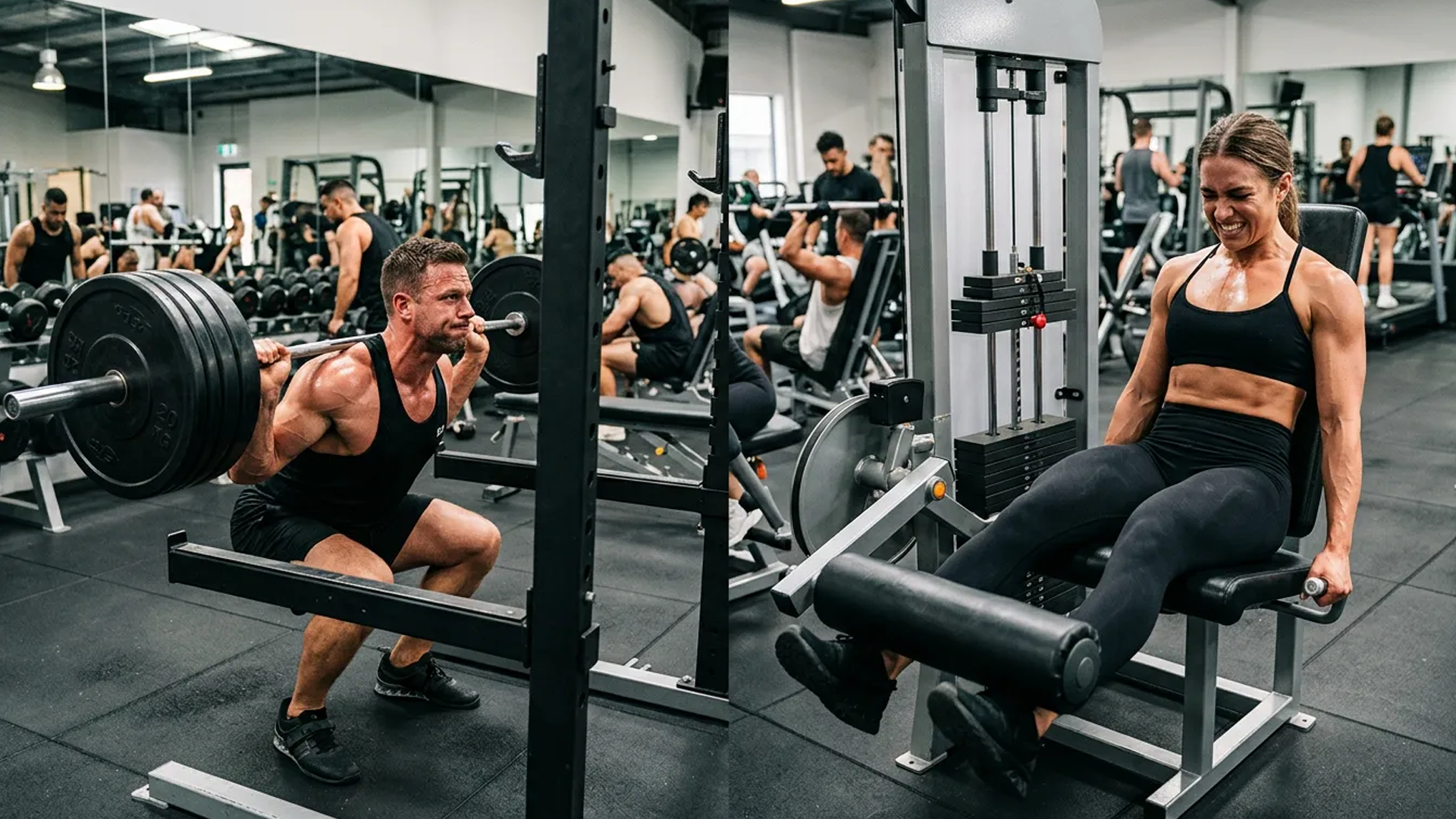
Selecting the Right Hardware
The tools you employ inextricably determine the effectiveness of isolation training. The resistance profile—the way the weight feels throughout the movement—is paramount.
The Gravity Problem with Free Weights
Free weights like dumbbells are bound by gravity, which only pulls vertically. During a dumbbell fly, for instance, the tension on your pectorals actually dissipates at the apex of the movement.
For reliable isolation with free weights, use our premium rubber-coated dumbbells. They are highly durable. They also give you a secure grip for high-rep sets.
The Vector Advantage of Cables
Cables alter the resistance equation. Because the force comes from the side, cables can keep steady tension on the muscle.
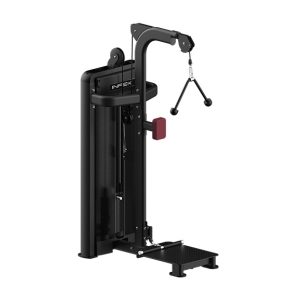
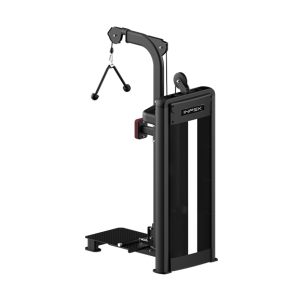
This stays true through the full range of motion. This keeps muscle fibers under load from the stretched position to the peak contraction. We engineer our commercial-grade cable machines to optimize this tension curve and recruit the most muscle fibers.
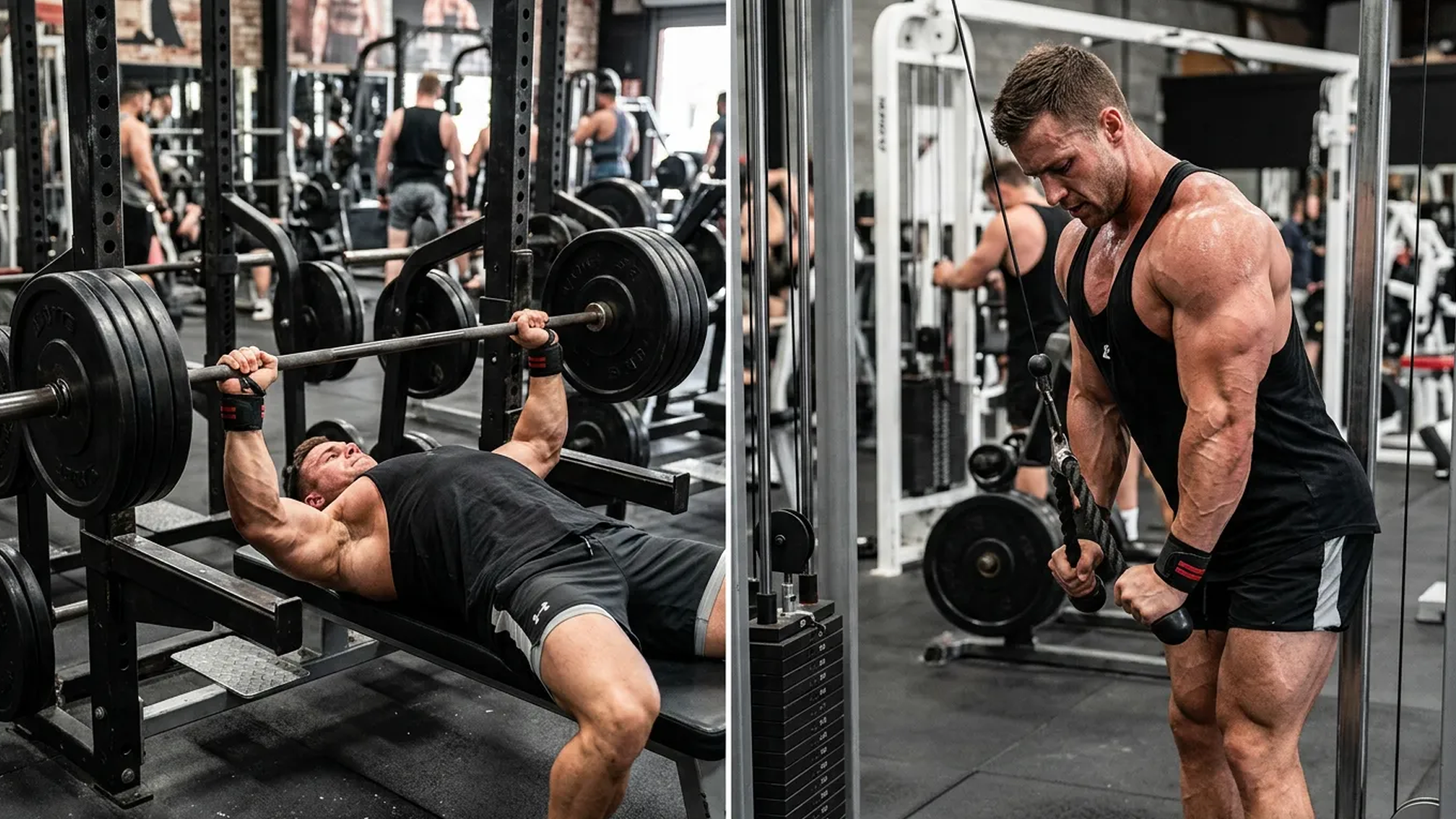
The Precision of Mechanics
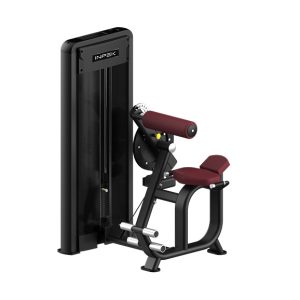
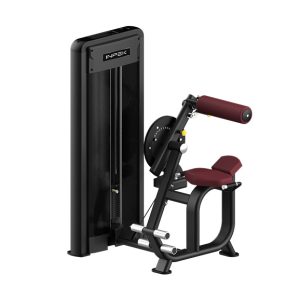
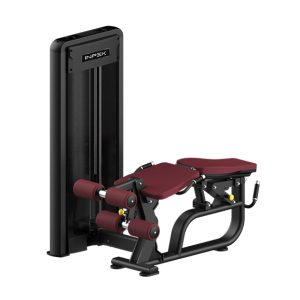
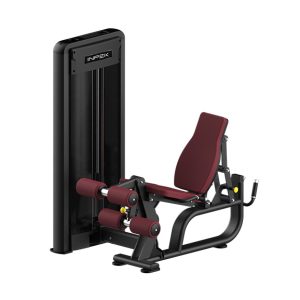
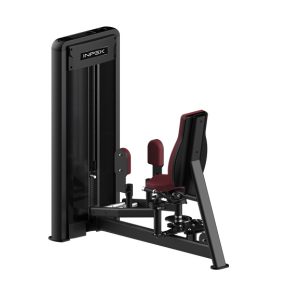
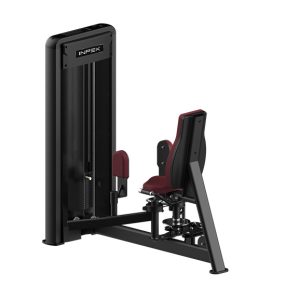
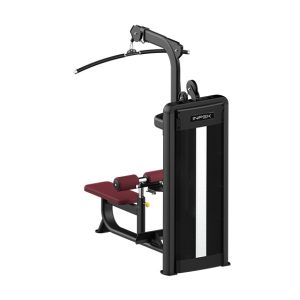
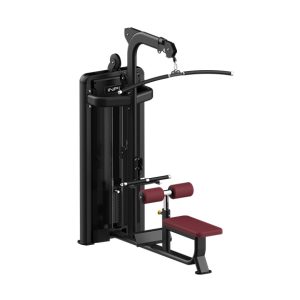
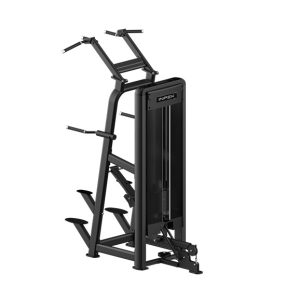
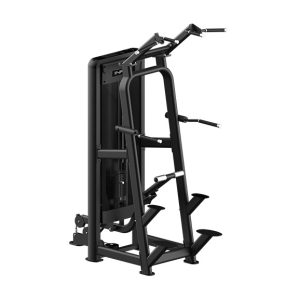
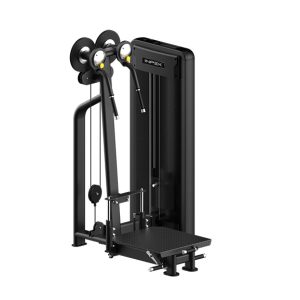
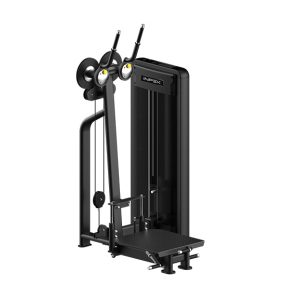
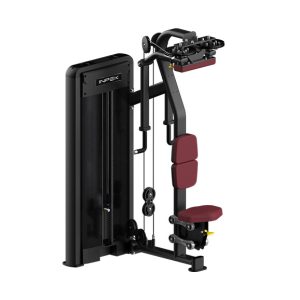
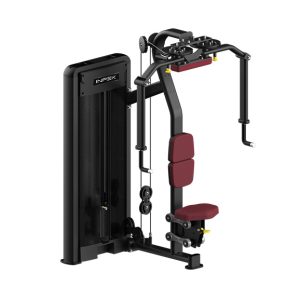
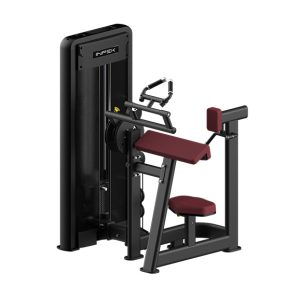
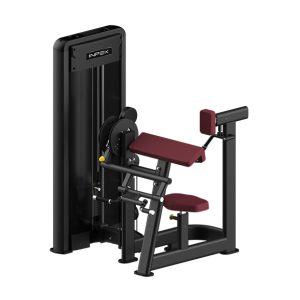
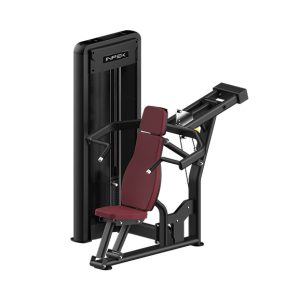
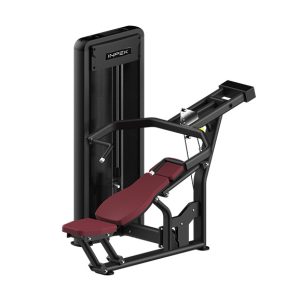
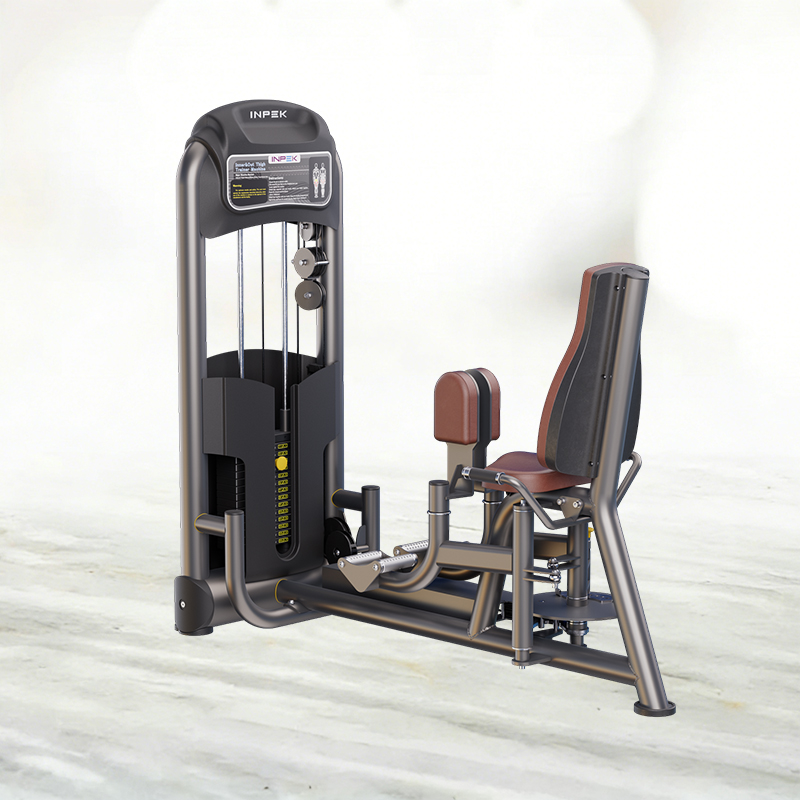
For pure isolation, machines reign supreme. They stabilize your anatomy, eliminating the energy wasted on balancing the load.
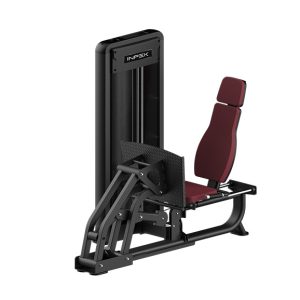
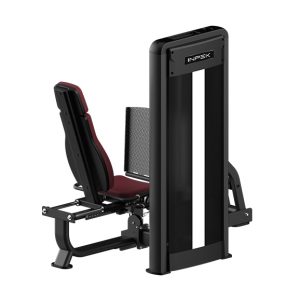
Furthermore, advanced units employ variable resistance cams to accommodate your body’s leverage. The load feels lighter where you are biomechanically weak and heavier where you are strong. As a result, our biomechanically optimized leg machines let you safely fatigue your quads and hamstrings.
They help reduce injury risk and prevent form breakdown.
Practical Application for Stubborn Muscles
Theory without execution is futile. Here is how to apply these biomechanical principles to recalcitrant body parts.
Legs: Targeting the Rectus Femoris
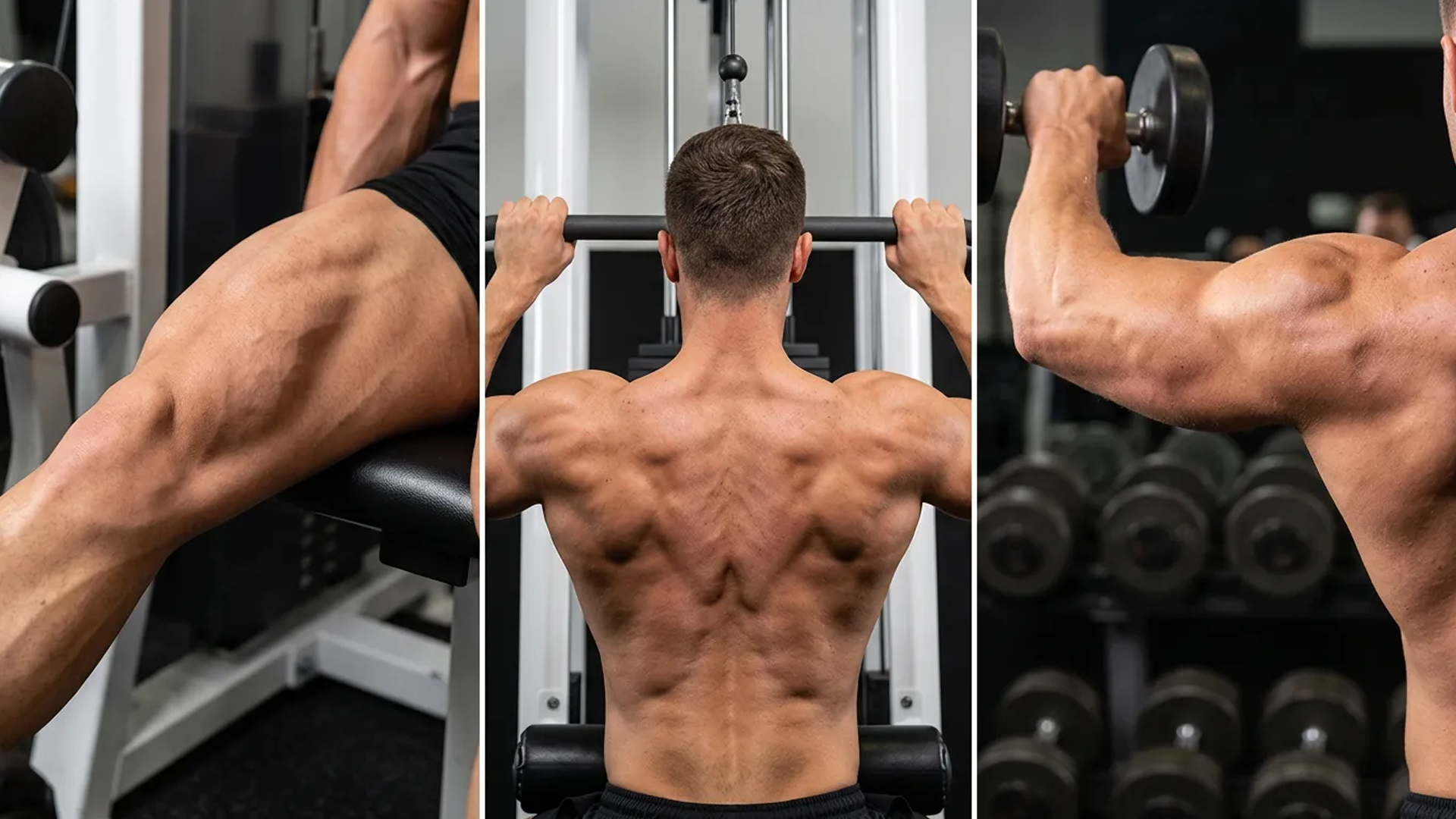
While squats are the king of leg exercises, they often underwork the rectus femoris. This muscle crosses both the hip and knee. To address this, perform Leg Extensions.
The crucial detail? Dorsiflex your toes (point them up toward your shins). This subtle biomechanical shift engages the vastus medialis and quads fully, ensuring you hit the entire teardrop contour.
Back: Width Without Arm Dominance
Pull-ups are excellent for width, but many lifters finish sets with exhausted biceps but fresh latissimus dorsi. To correct this, implement Straight Arm Pulldowns. By locking the elbows and utilizing only shoulder extension, you remove the biceps from the lever equation. This isolates the lats directly, ensuring they do the heavy lifting.
Shoulders: The Side Deltoid
The side deltoid primarily shapes shoulder width, yet overhead presses rarely stimulate it intensely. Lateral Raises are the antidote.
However, technique is paramount. Lead with your elbows, not your hands. Visualize pouring water out of a pitcher to ensure your elbows remain higher than your wrists, maximizing the contraction.
The Neuroscience of Mind-Muscle Connection
The “mind-muscle connection” is frequently derided as pseudo-science, yet it is a documented neurological phenomenon. It is the voluntary ability to recruit a higher percentage of motor units.
During a heavy deadlift, your brain prioritizes moving the load, recruiting whatever muscles are necessary to complete the task. In contrast, during isolation training, the load is manageable enough to permit conscious control.
Master the Eccentric: Do not surrender to gravity. Lower the weight with a strict, three-second count to maximize muscle tearing.
Eliminate Momentum: If your body sways, you have converted an isolation exercise into a full-body swing. Reduce the weight.
Squeeze at the Apex: The peak contraction is the critical point. Pause for one second and forcibly tighten the muscle.
Furthermore, the reduced systemic fatigue allows for a significant increase in training frequency. Because isolation exercises do not hammer your central nervous system or load your spine, smaller muscle groups like the calves, triceps, or rear delts can often be trained effectively two or even three times a week. This increased frequency provides more frequent growth signals to the muscle. Instead of waiting a full week to recover, you can stimulate these areas more often, accelerating progress without the risk of burnout associated with daily heavy compound lifting.
Optimizing Your Routine
To maximize hypertrophy, treat isolation training as the “dessert” of your session, following the “main course” of heavy compounds.
Perform your heavy, multi-joint movements first while your neural energy peaks. After you finish the heavy lifting, transition to isolation work to fully metabolically exhaust the target muscle.
Sample Push Day Finisher:
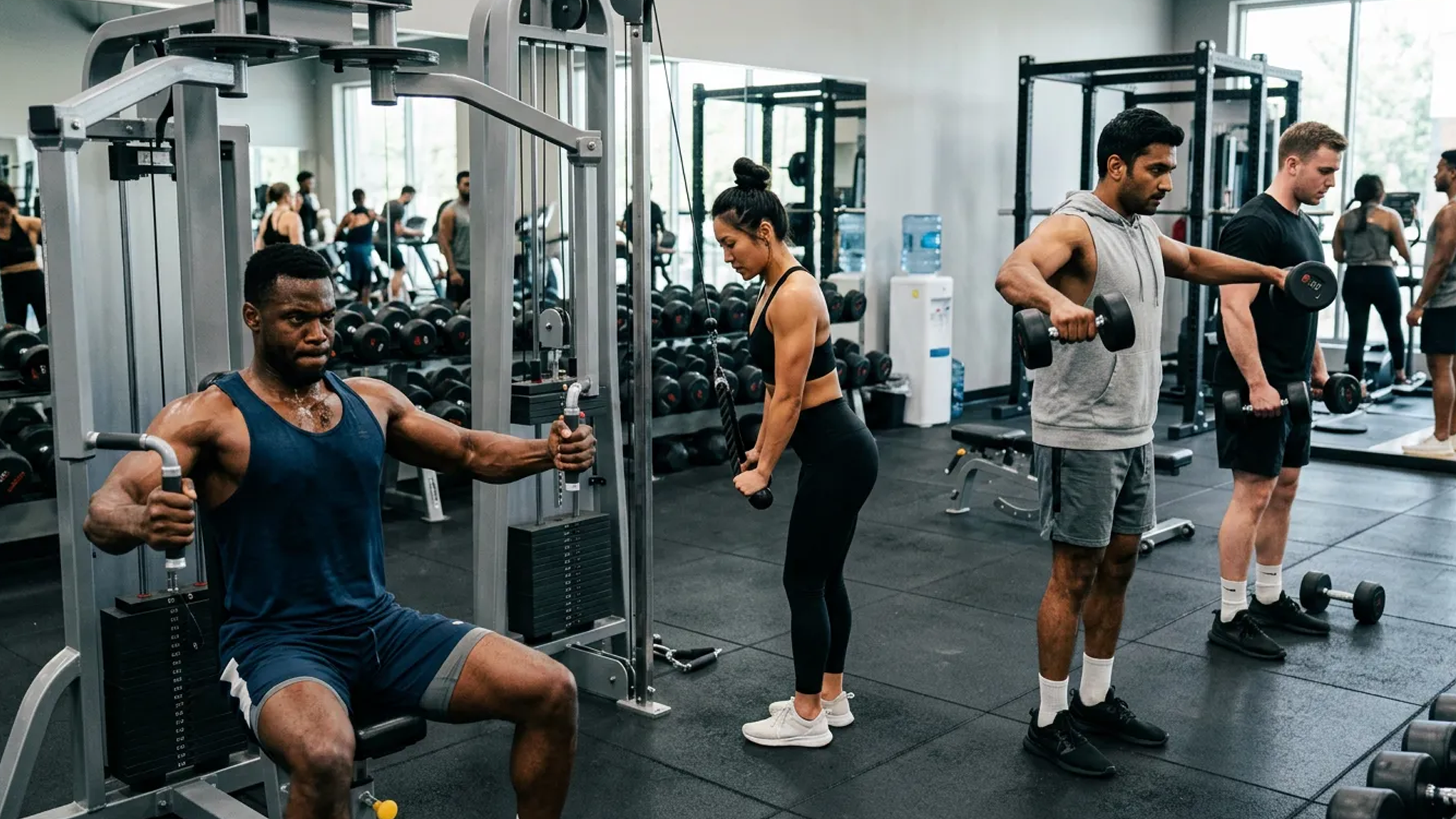
Pec Deck Fly: 3 sets of 12-15 reps (Focus entirely on the squeeze)
Tricep Rope Pushdown: 3 sets of 15 reps (Strict form, elbows pinned to sides)
Lateral Raises: 3 sets of 15 reps (Minimal rest, focus on the burn)

Conclusion
To build a truly elite physique, focus on two things. Build raw power with compound lifts. Add fine detail with isolation training. Neglecting the latter results in a body that looks powerful in a hoodie but lacks definition when the shirt comes off.
By learning the biomechanics, choosing gear that keeps steady tension, and building the mind-muscle link, you can break plateaus. Stop merely lifting weights; start sculpting your architecture.
Ready to add precision to your power? Explore our curated range of fitness equipment, specifically designed to give you the competitive edge in your isolation training.