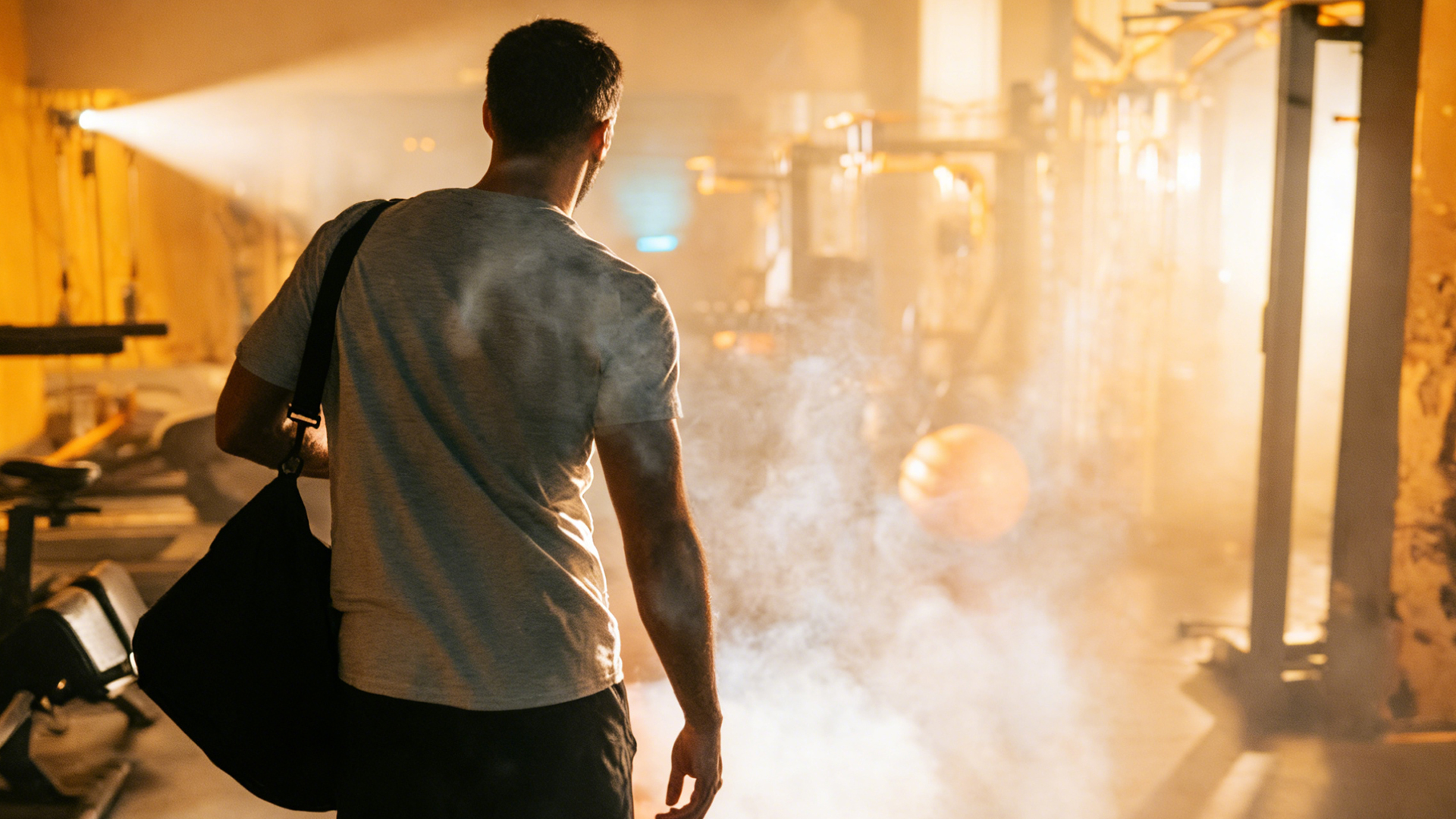
Should I Eat Before or After the Gym?

 
The Ultimate Guide to Fueling Your Body
 
Walk into any gym, and you will likely see a debate happening, often silently. Some people sip on a massive shake before touching a weight, while others insist on training on an empty stomach to “burn more fat.” This leads to one of the most persistent questions in fitness: Should I eat before or after the gym?
The answer is not binary. It is not about choosing one over the other; it is about understanding how food affects your performance and your recovery. Whether you are aiming to build muscle or lose fat, the timing of your nutrition plays a critical role.
 
Let’s break down the science behind fueling your body and determine the optimal strategy for your workouts.
 
Eating Before the Gym: Fueling Performance
The primary goal of a pre-workout meal is to provide your body with the energy required to perform at a high level.
Why It Matters
Think of your body like a car. It cannot run without fuel. When you exercise, your body relies on glycogen—the stored form of glucose—for energy. If you enter a workout in a fasted state, your glycogen stores may be depleted, leading to early fatigue, dizziness, and a lack of focus.
 
Furthermore, eating before training helps protect muscle tissue. Without circulating amino acids from protein, your body may enter a catabolic state, breaking down muscle protein to use for energy during intense exercise.
What and When to Eat
The ideal timing depends on the size of your meal:
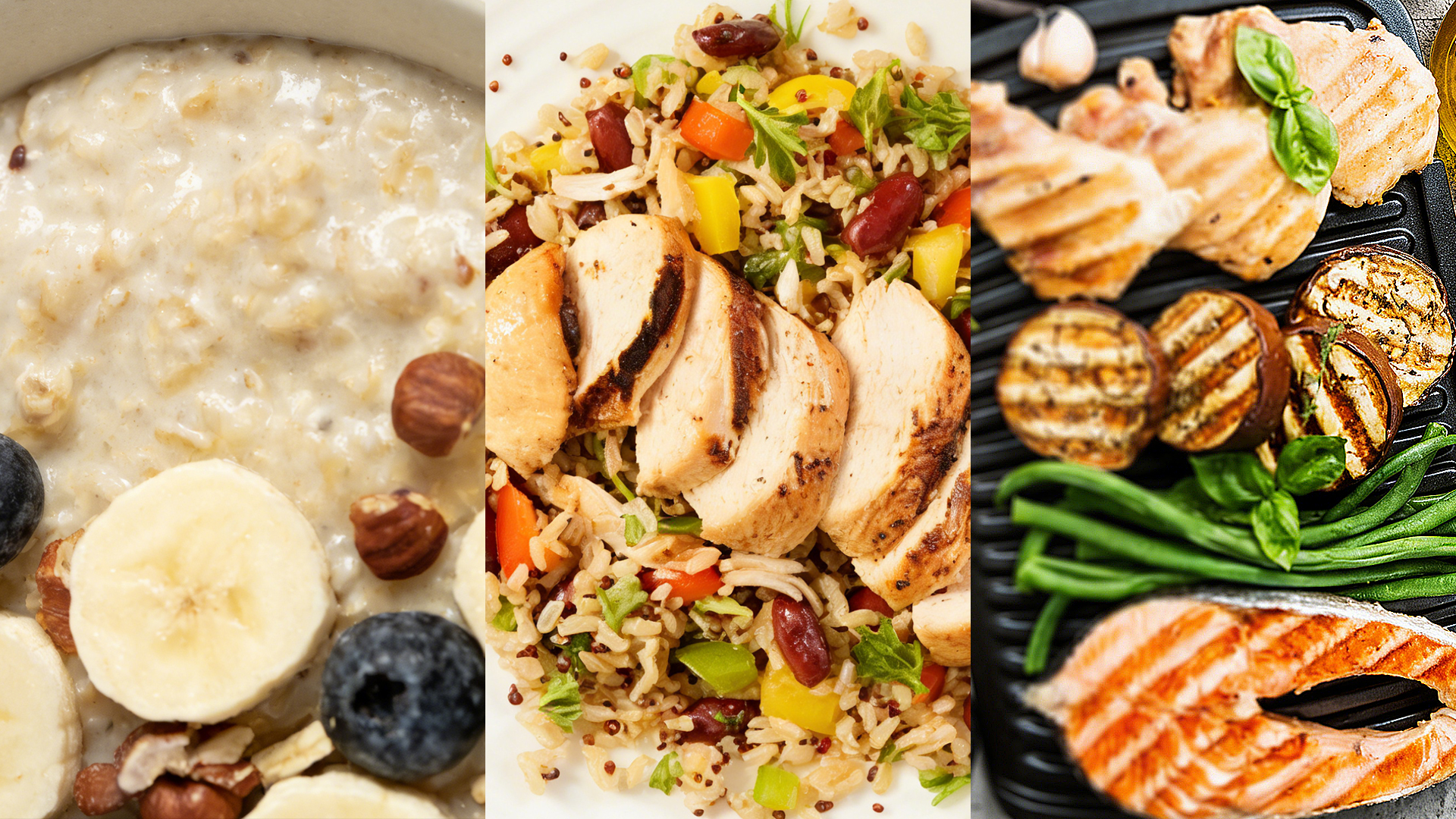
2-3 Hours Before: A balanced meal containing complex carbohydrates (like oats or brown rice) and lean protein (like chicken or fish). This allows for full digestion.
30-60 Minutes Before: A lighter snack. Focus on simple carbohydrates that digest quickly, such as a banana or a slice of toast with jam.
 
Avoid high-fat and high-fiber foods immediately before training. These slow down digestion, which can cause discomfort or nausea during movement.
Eating After the Gym: The Recovery Phase
Once the last rep is completed, your body shifts from performance mode to recovery mode. The post-workout meal is essential for repairing damaged tissues and replenishing energy stores.
 
The “Anabolic Window” Myth
For years, gym-goers were terrified of the “anabolic window”—the belief that you had to consume protein within 30 minutes of finishing a workout or you would lose your gains. Current sports nutrition research suggests this window is not as narrow as once thought. However, consuming nutrients shortly after training is still beneficial.
Why Post-Workout Nutrition Is Key


Intense resistance training creates micro-tears in muscle fibers. To repair these tears and build muscle, your body needs protein to stimulate muscle protein synthesis. Additionally, you need carbohydrates to refill the glycogen you depleted during the session.

 
A good post-workout meal should combine:
Fast-digesting protein: Whey protein, chicken, or eggs.
Carbohydrates: Rice, potatoes, or fruit to spike insulin and shuttle nutrients into muscle cells.
Strategies for Different Scenarios
Not everyone has the luxury of a perfect schedule. Here is how to adapt based on your daily routine.

 
 
The Early Morning Trainer
If you train immediately after waking up, a large meal is impractical. However, training completely fasted can hinder performance. A quick solution is a light snack, such as half a banana or a small protein shake, 15-20 minutes before you start.
 
The After-Work Warrior

If you hit the gym after work, your lunch serves as your pre-workout meal. Ensure your lunch includes a good source of carbohydrates. If there is a long gap between lunch and training (e.g., you train at 7 PM but ate at noon), a small snack at 5 PM is essential to maintain energy levels.

Cardio vs. Weight Training

    Your nutritional needs shift slightly based on the activity.
 

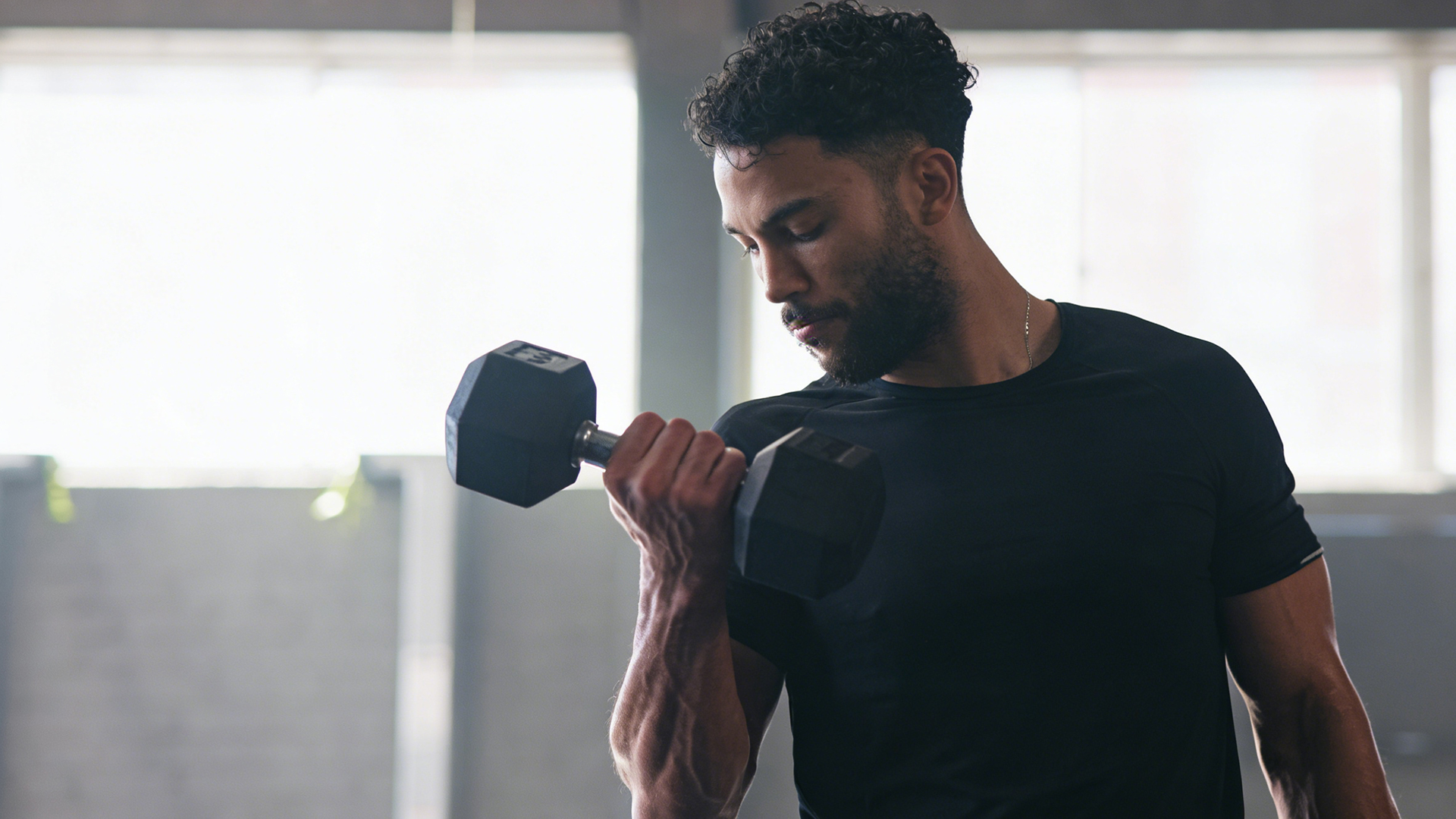
Weight Training: Demands more glycogen. Eating both before and after is crucial for strength and hypertrophy.

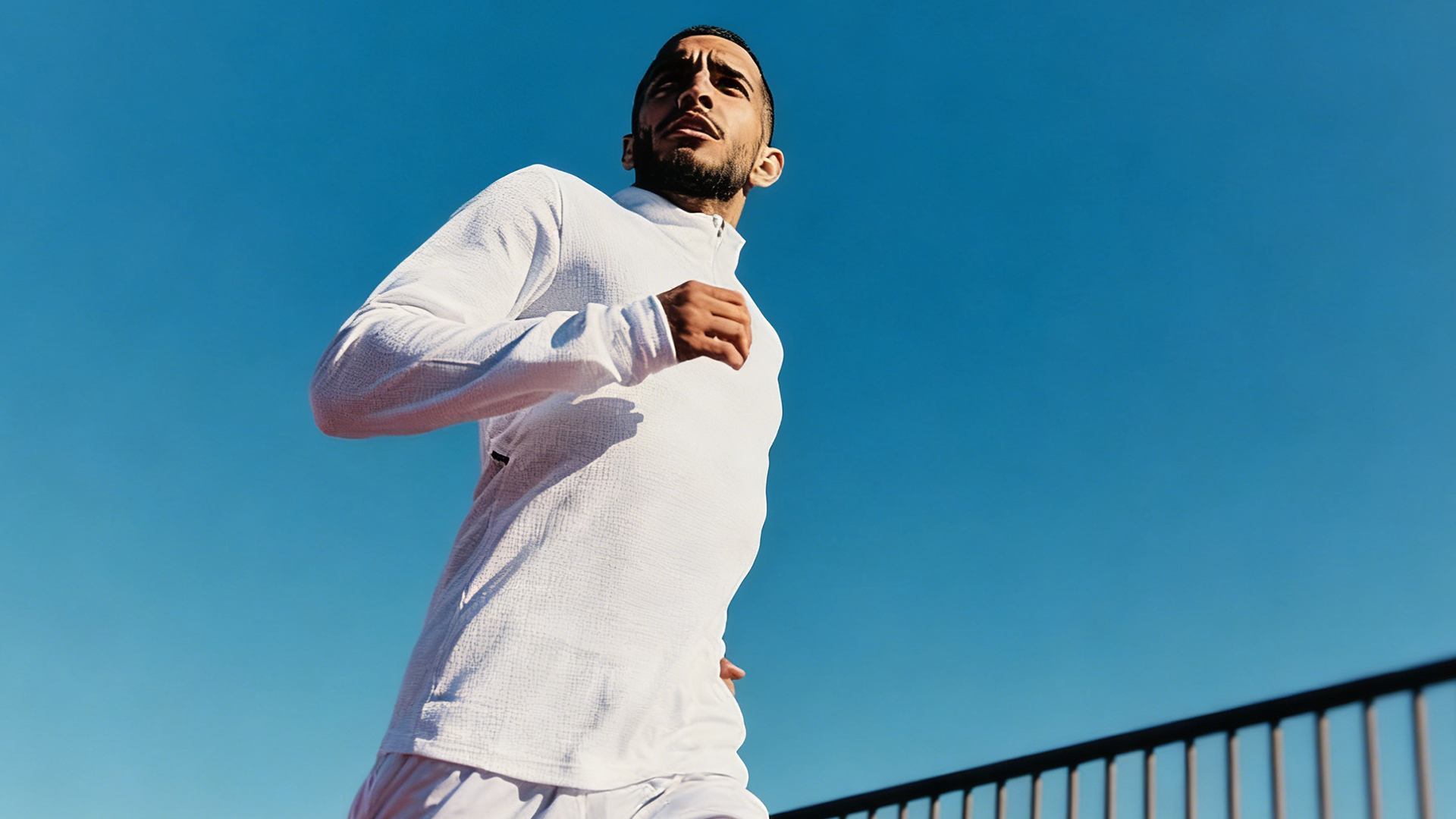
Low-Intensity Cardio: You can perform this in a fasted state if your goal is purely fat oxidation, though eating beforehand may help you sustain the workout for longer periods.


Listening to Your Body

    While general guidelines are helpful, individual tolerance varies. Some people experience gastrointestinal distress if they eat too close to a workout. If solid food bothers you, consider liquid nutrition like a smoothie. Liquids digest faster and are less likely to cause cramping.
    Furthermore, your goals dictate your strategy. If you are bulking, eating ample calories both before and after is non-negotiable. If you are cutting, you may need to be more strategic with portion control to maintain a calorie deficit without sacrificing performance.
  So, should you eat before or after the gym? The answer is: Both, but for different reasons.
  Eat Before to maximize your energy, strength, and focus during the session.
  Eat After to optimize recovery, replenish glycogen, and build muscle.
 
  Do not overcomplicate it. You do not need to time every bite to the minute. Aim to eat a balanced meal 2-3 hours before training, and refuel with a protein and carb-rich meal within an hour or two after you finish. Consistency in your nutrition will yield far better results than obsessing over the exact minute you eat your post-workout meal.